
Beach shoes live a hard life. Waves splash. The sun heats. Sand grinds. Salt dries on parts and pulls water along seams. Sweat adds more salt from the inside. If we want long life, we need smart materials and simple tests that tell the truth before we ship.
What salt and sweat do
Salt water is tricky. When metal gets wet with salt, tiny cells form and start to corrode. Eyelets stain. Hooks pit. Screws seize. Salt also turns water into a wicking helper. Water can ride along the thread and needle holes and leave wet marks inside. Sweat does the same but adds skin oils that glue dirt to seams. So we plan for both sides. Outside sea splash. Inside, sweat and heat.
Materials that fight the sea
- Metals
Select a grade of stainless steel that resists pitting. For metals that are coated. Avoid mixed metals that touch each other. Dissimilar pairs can create galvanic cells that speed rust. - Threads
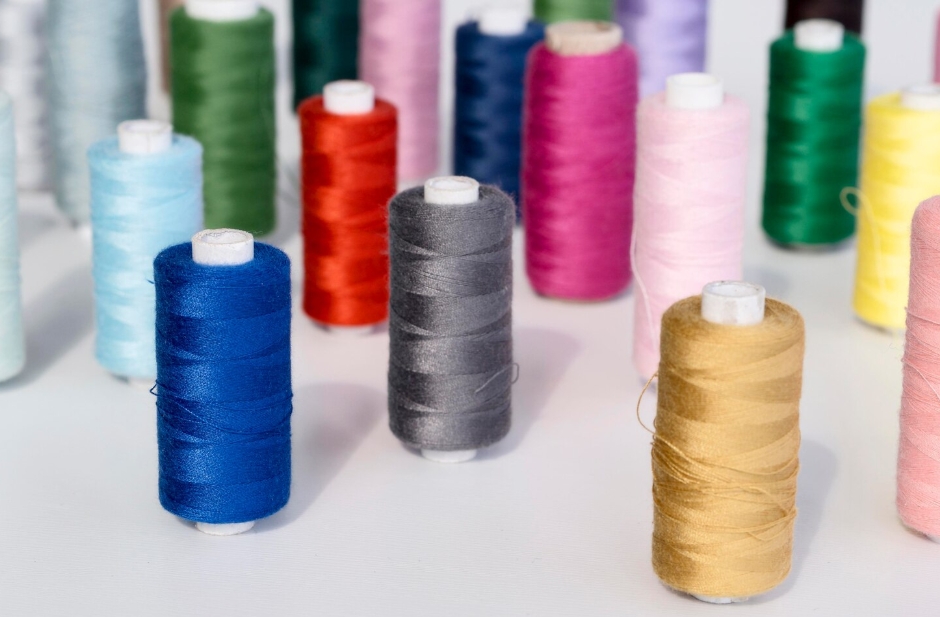
Use polyester sewing machine thread with anti wick finishes in splash lines. Bonded nylon thread can be used in high wear rails, but block wicking near the tongue and eye row. - Uppers
Mesh or knit with hydrophobic treatment helps water leave fast. Synthetic leathers should handle UV and salt without cracking. - Adhesives and films
Pick systems that keep strength when wet and salty. Match chemistry to the upper. PU to PU. TPU to TPU. - Foams and linings
Quick dry foams and closed cell pads avoid long wet time. Linings should not hold salt crystals against skin.
Seam and hardware design
- Keep needle holes small. Use the finest passing ticket and small needle so holes do not drink.
- Use single clean stitch lines where you can. Limit clusters near puddle zones.
- Add drain and vent paths so water goes out, not along threads.
- Isolate metal from wet fabric with small washers or nylon grommet seats.
- Round corners with a 6 to 8 mm radius so stitches do not bunch and crack the film face.
Lab tests that matter
Here is a simple menu you can run or ask a partner lab to perform. These are not hard to set up, and they pay back fast.
1) Salt spray corrosion screen
Use a neutral salt fog cabinet if you have access. Place eyelets, hooks, and any exposed screws on a rack. Run a short exposure like 24 to 48 hours for screening, then inspect for rust, pitting, and coating lift. Keep photos. If you do not have a cabinet, do a bench soak. Make a 3.5 percent salt solution. Soak parts for a day. Dry for a day. Repeat for three cycles and inspect.
2) Artificial sweat test
Prepare artificial sweat solution per a standard recipe or buy ready mix. Wet stitched coupons and metal trims. Hold at warm room conditions for 24 hours. Check for staining, color change, and any sticky feel. Do three cycles. Sweat can be worse than sea on some coatings, so do not skip.
3) Seam wicking strip
Sew a linear seam with the chosen thread and needle. Dip a short section of the seam tail into salt water and leave it for 30 mins. Measure the climb of the wet line. Repeat with fresh water and with artificial sweat. Aim for low climb in all three. If climb is high, go to smaller needle, lower SPI, and use anti wick thread.
4) Flex in saline
Build small upper pieces with a stitched seam where the foot bends. Soak in salt water for 30 minutes, then flex 10 thousand cycles in a simple flex rig while misting every 1000. Look for dark halos, thread fuzz, or early cracks at holes.
5) Sand plus salt rub
Make a wet sand paste with salt water. Rub stitched edges and eye rows for a fixed count, like 200 strokes with a soft pad. This catches finish that gets gummy under real beach grit.
Settings to try before you lock spec
- Needles
Micro or round point for synthetics, size NM 80 to 90 for most runs. Use coated needles to reduce heat. - Stitch length
Construction lines 3.0 to 3.5 mm. Top lines 3.5 to 4.0 mm to lower hole count. - SPI
Keep moderate. Too many holes make a perforation line that soaks. - Thread
Polyester with anti wick in splash zones. Bonded nylon only for scuff rails and guards. - Adhesive assist
A narrow film lane inside the allowance can calm feed and lower wicking. Use short dwell and a cool clamp 2 to 3 seconds.
Field check at the beach
You do not need a big team. Two testers and one hour helps a lot.
- Walk in shallow surf for five minutes.
- Step out and stand for ten minutes.
- Jog on damp sand for five minutes.
- Remove sock and look for wet halos or salt rings around seams.
- Try lacing and unlacing with wet hands. Watch hardware and lace feel.
Troubleshooting quick table
| Problem | Likely cause | Fast fix |
| Rust stains at eyelets | Weak coating or mixed metals | Upgrade metal grade, add nylon seats, avoid dissimilar pairs |
| Wet line climbs up tongue | Wicking along thread | Anti wick thread, smaller needle, lower SPI by one |
| Halos after flex | Needle heat or tight radius | Coated needle, lengthen stitch, corner radius 6 to 8 mm |
| Bond lifts near splash zone | Silicone on thread or undercure | Silicone free thread near bonds, increase dwell slightly, cool clamp |
| Sand sticks to seam | Residue or fuzzy thread | Clean finish path, switch to smooth corespun or bonded thread in that rail |
Tech pack lines you can copy
- Thread map: polyester anti wick in eye row, tongue seam, vamp seam. Bonded nylon only at toe and heel guards.
- Needle: micro point NM 80 to 90, coated type.
- Stitch: construction 3.2 mm, top lines 3.8 mm.
- Hardware: stainless or tested coated grade, nylon isolators under eyelets.
- Adhesive: same family film inside allowance, lane width 3 to 4 mm, cool clamp 2 to 3 seconds.
- Testing: salt spray 24 to 48 hours on trims, sweat cycles x3, seam wicking strip, saline flex 10k, sand plus salt rub.
One week pilot plan
Day 1 choose one upper pattern and two thread sets.
Day 2 sew ten pairs of coupons and two prototype uppers.
Day 3 run seam wicking strips and sweat cycles.
Day 4 salt soak and sand rub.
Day 5 saline flex on coupons.
Day 6 short beach field check with two testers.
Day 7 pick the best combo and fix the top two issues. Often it is needle size and metal seating.
Wrap
Salt, sweat, and sea will find weak points fast. Choose metals that do not pit. Use anti wick thread and small clean holes. Add narrow bonds where they help. Run simple salt, sweat, wicking, and flex tests before you scale. Do this, and your marine and beach footwear will stay cleaner, drier, and stronger for many days on the shore.


